
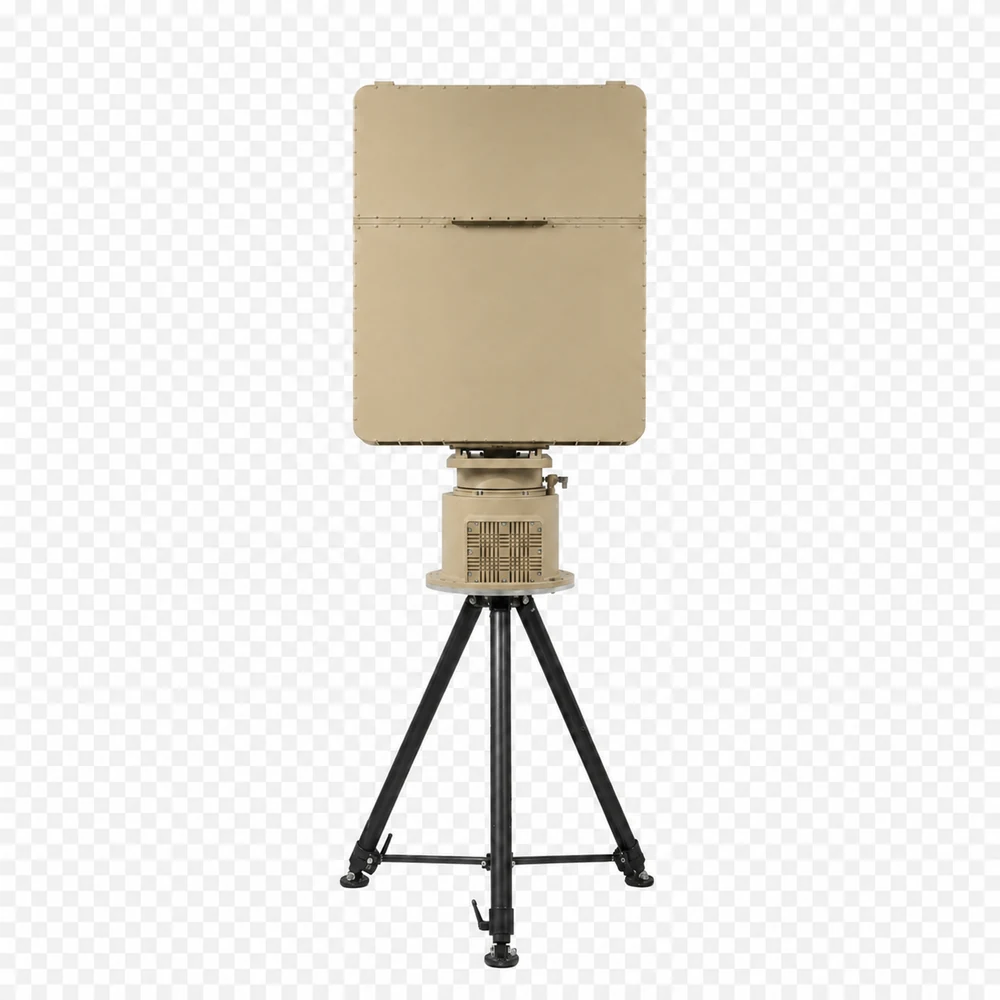
Radar
Radar
Detection and tracking of low-flying aerial targets around the protected site.
Learn more →Reliable drone detection needs several sensor layers. DroneDefender fuses radar, optical PTZ tracking, RF/EM scanning and acoustic radar into one picture — with real products behind each layer.
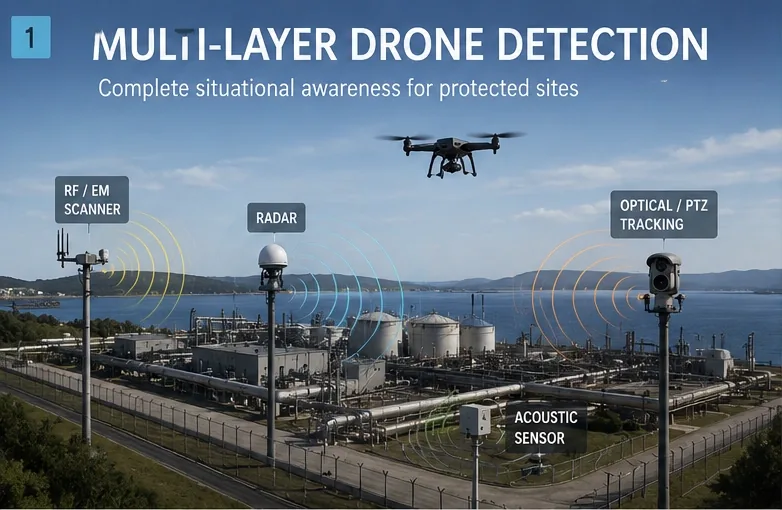
A multi-sensor approach reduces blind zones and isolated alarms.
Detection and tracking of low-flying aerial targets around the protected site.
Learn more →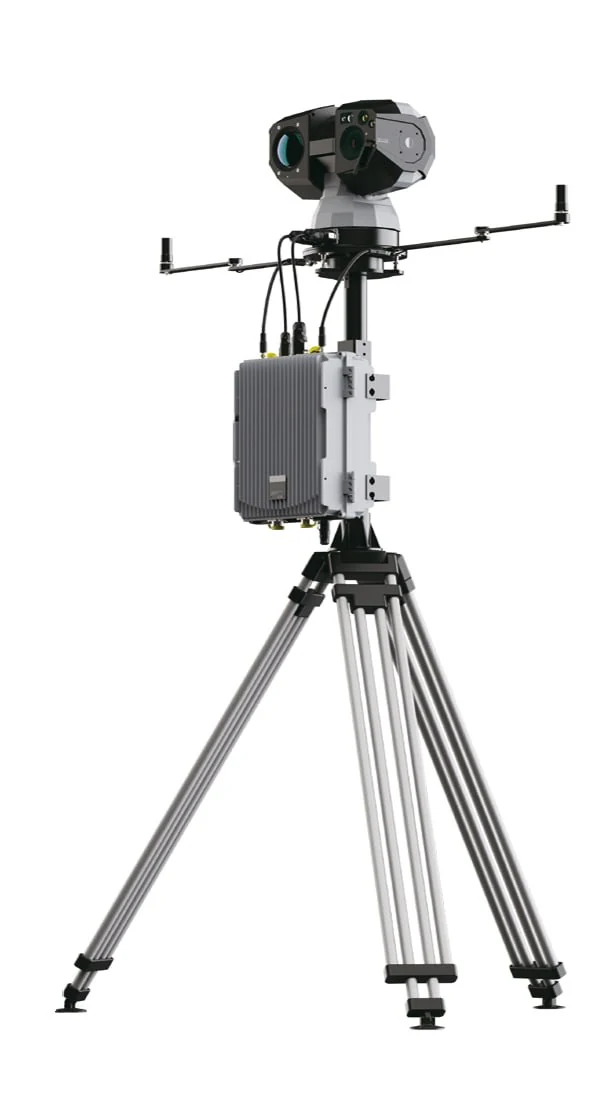
Visual confirmation, optical/thermal channel and target tracking.
Learn more →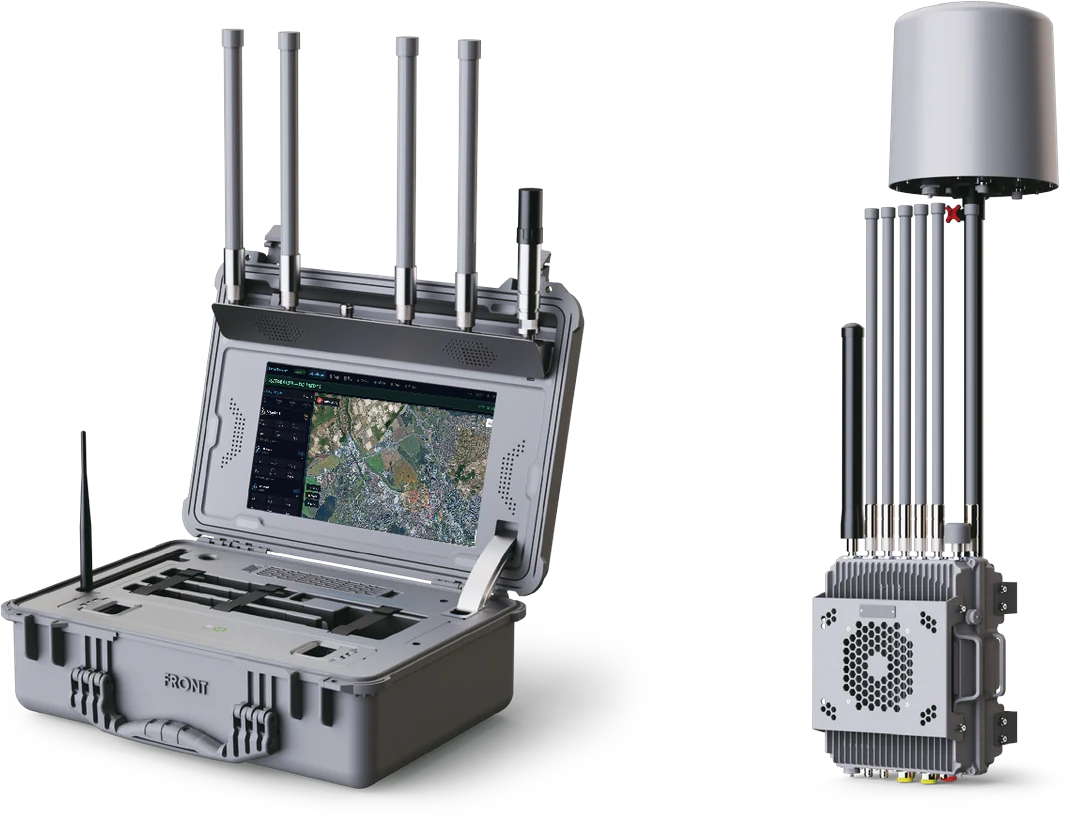
Passive monitoring of radio signals, suspicious RF activity and spectrum anomalies.
Learn more →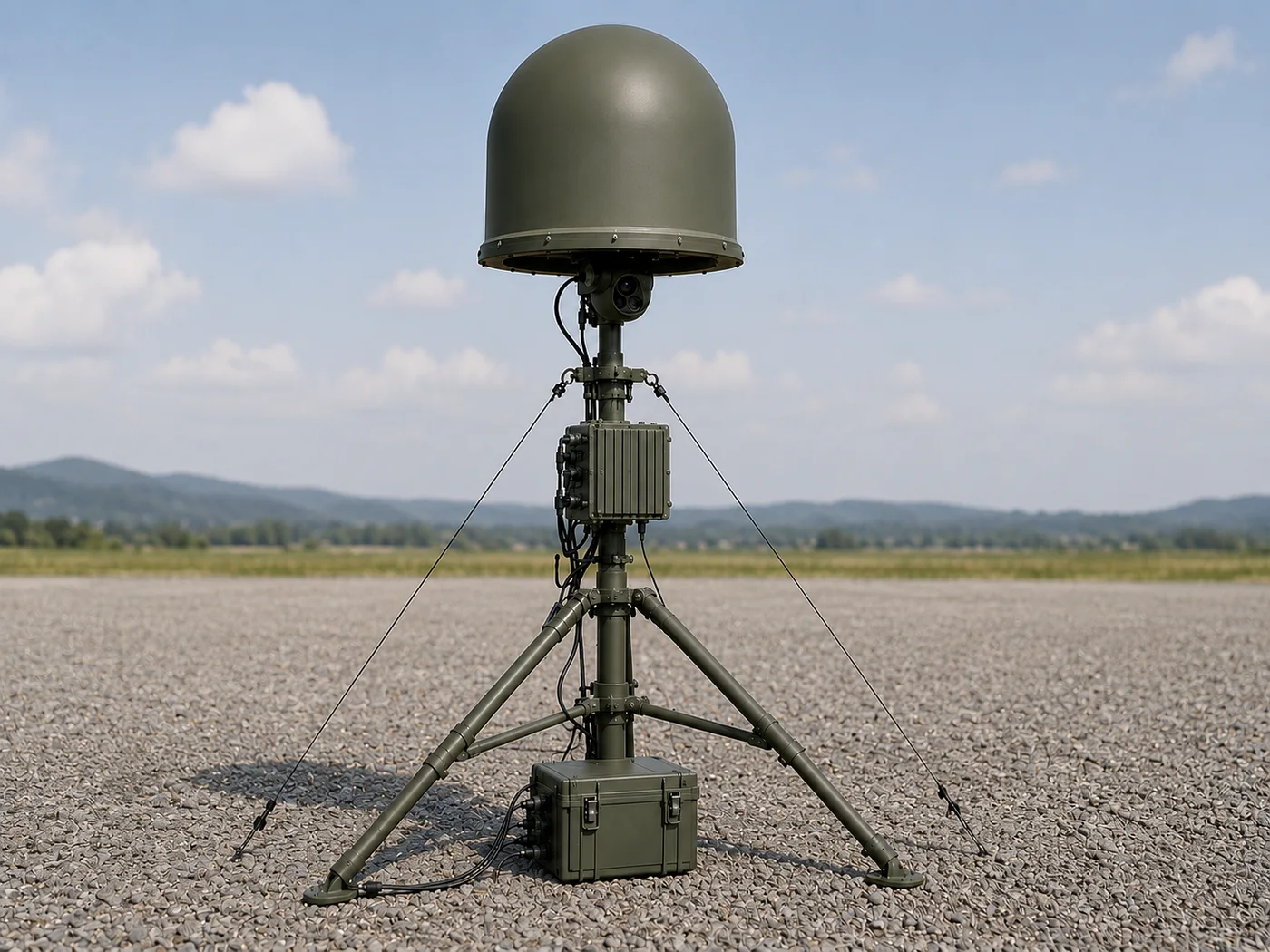
80 MHz–6 GHz: budget passive detection of control and video links at 5–10 km.
Learn more →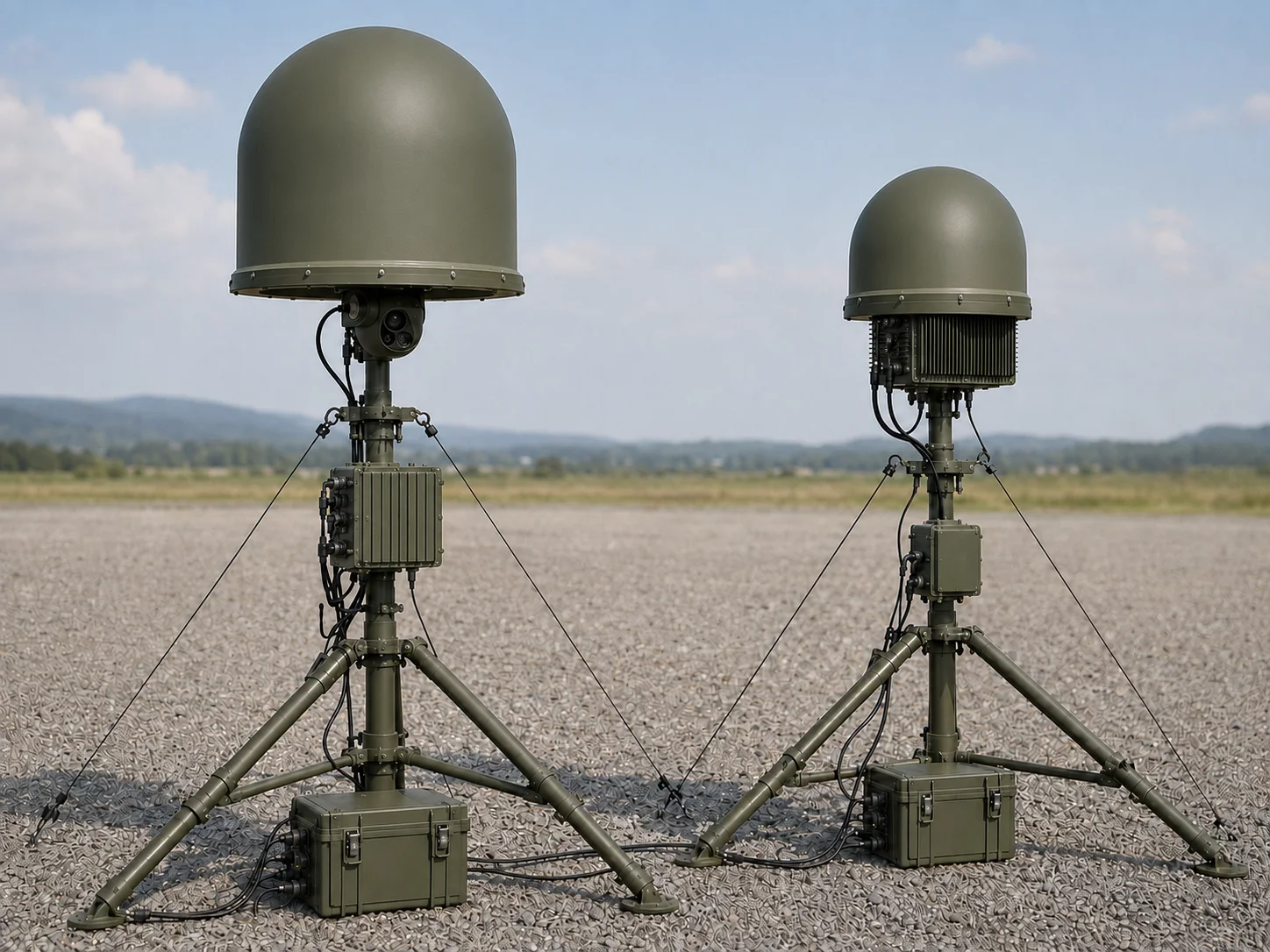
80 MHz–12 GHz: passive direction finding up to 10 km + optional illumination radar for RF-silent and fiber-controlled drones.
Learn more →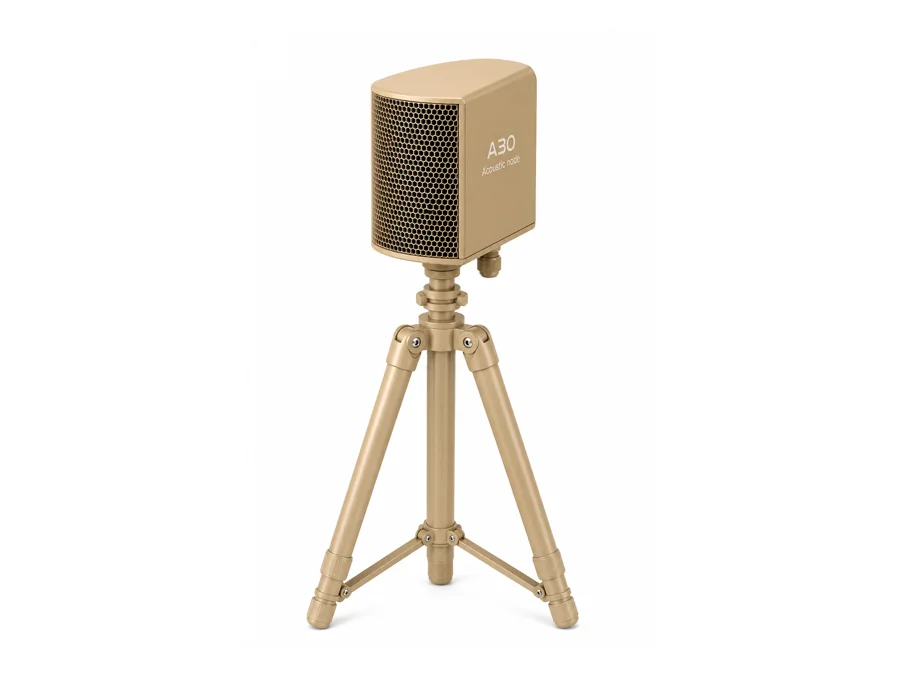
A passive acoustic layer of 4–8 distributed nodes: microphone arrays detect a drone by rotor sound, classify it by acoustic signature and localize it by triangulation. Works against RF-silent and fiber-controlled aircraft, at night and in fog — where RF sensors are blind. Emits nothing; the close-in layer that complements DD-6/DD-12.
Learn more →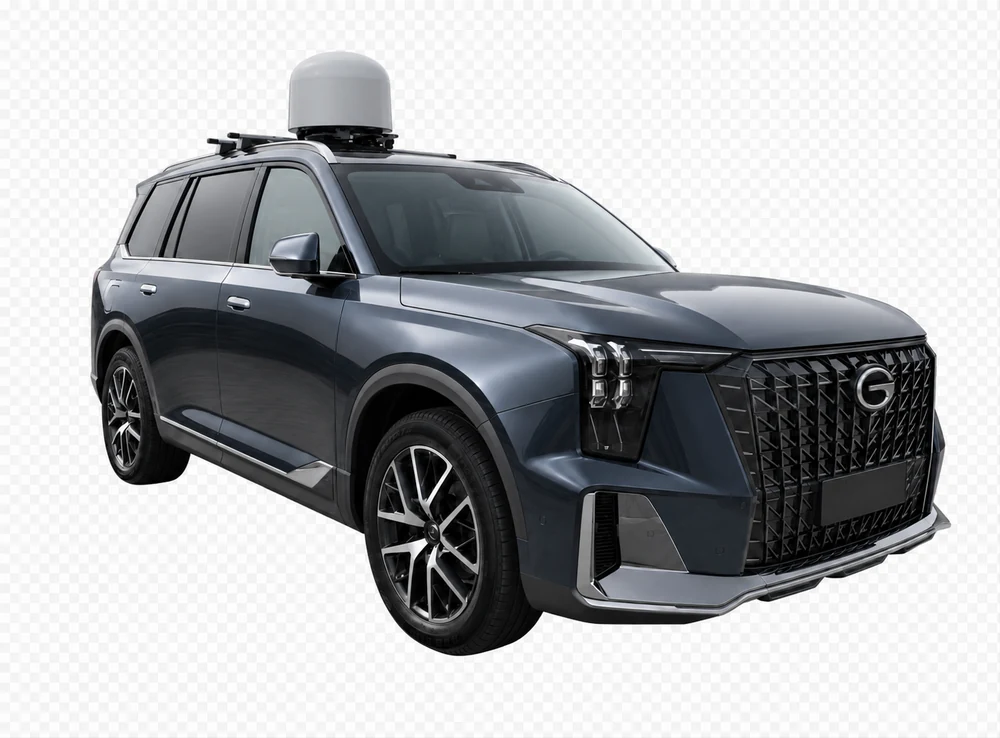
A vehicle platform for drone detection and counteraction: mobile coverage or rapid relocation and deployment to close blind spots — convoys, events, temporarily protected sites.
Learn more →One sensor does not solve the full task.
A single radar can have blind zones, a camera can lose visibility, an RF scanner may miss a radio-silent drone and acoustics can suffer from noise. DroneDefender fuses the layers into single target tracks and shows the result in the Digital Twin and Operator Console — so one drone never looks like five separate alarms.
Start with a short consultation, live demo or structured pilot program.